May 7, 2026
Transforming an outdoor space into a thriving sanctuary requires more than a keen eye for aesthetics; it demands a deep understanding of the delicate synergy between nature and design. Selecting the right plants for your property is a multi-faceted process that bridges the gap between environmental science and artistic expression. By considering factors like regional hardiness and soil health, homeowners can move beyond simple gardening to true land stewardship. This guide explores the essential methodologies professionals use to curate resilient landscapes, ensuring that every botanical choice contributes to a sustainable, functional, and visually captivating environment that flourishes year-round with the help of professional landscaping plant services.
Selecting the Right Plants for Your Property
Understanding Climate Compatibility
When selecting plants for landscaping, climate compatibility is a fundamental consideration. Plants are susceptible to climate variables such as temperature, humidity, and precipitation. By choosing species that are naturally attuned to local conditions, providers of landscaping plant services can minimize maintenance and promote healthier growth.
Professional landscapers assess the hardiness zones, which indicate the climatic tolerances of different plant species. They introduce plants that can thrive year-round or allow strategic annual rotations for seasonal color. According to Southern Living, annual flowers and plants progress through their entire life cycle within a single growing season, providing vibrant color from planting until the first frost.
Climate-appropriate plant selection minimizes the need for intensive watering and chemical interventions, supporting sustainable landscaping practices. This approach also enhances the resilience of landscapes to climate shifts and anomalies. The balance of aesthetic appeal with environmental responsibility is a hallmark of professional landscape management and comprehensive landscaping plant services.
Soil Analysis and Site Assessment
Soil analysis plays a critical role in successful landscaping. Professional landscapers conduct thorough assessments to determine soil composition, pH levels, and nutrient availability. These insights inform the selection of plants that can prosper under specific soil conditions.
Understanding soil drainage and texture is equally important, as it affects root health and water absorption. Site assessments also consider natural features such as slopes, existing vegetation, and sunlight exposure. By tailoring plant choices to these factors, landscapers create thriving ecosystems that require minimal alteration.
Choosing Native and Invasive-resistant Species
Incorporating native plant species into landscaping enhances ecological balance and biodiversity. Native plants are adapted to local environmental conditions, making them easier to maintain and suited to existing ecosystems. Their resistance to pests and diseases further contributes to a thriving landscape.
Professional landscapers are adept at identifying and avoiding invasive plant species that threaten indigenous flora and fauna. Invasive plants can outcompete native species, disrupting ecosystems and requiring costly management interventions. By focusing on native and non-invasive alternatives, landscaping plant services support environmental sustainability.
Landscaping Design Techniques
Incorporating Hardscape Elements
Hardscape elements such as pathways, walls, and patios provide structure and definition to landscape designs. These elements create essential walkways, gathering areas, and barriers within the outdoor space. When successfully integrated with plant life, they contribute significantly to the charm and functionality of landscapes.
Material choice is integral to the aesthetic and functional outcomes of hardscape features. Natural stone, wood, and composite materials each offer unique textures and colors that complement various planting schemes. Professionals ensure that these elements harmonize with the overall design vision and the property’s existing architectural style.
Utilizing Color Theory in Plant Selection
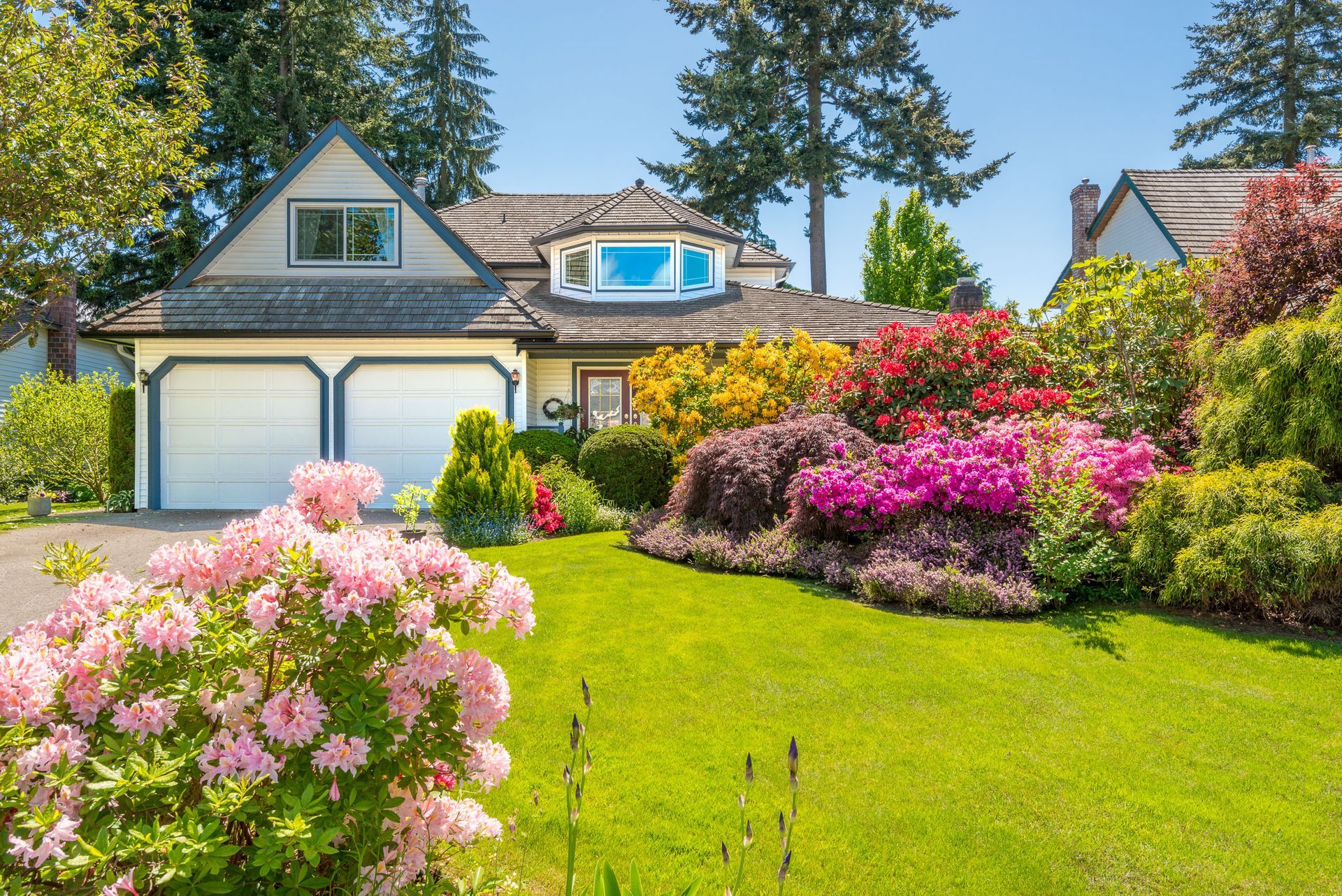
Color theory informs planting schemes in a way that maximizes emotional and visual impact. By understanding how colors complement or contrast with each other, professional landscapers create visually balanced and stimulating garden designs. This technique incorporates a range of hues to evoke specific moods or highlight features.
Choices in flower and foliage color can lead the viewer’s eye through the landscape, create focal points, or blend seamlessly with the surroundings. Implementing color theory through expert landscaping plant services allows designers to enhance depth and perspective, adding complexity and dimension to the landscape.
Creating Focal Points with Strategic Planting
A well-designed landscape features focal points that draw attention and create visual interest. Strategic planting techniques highlight specific plants, sculptures, or architectural elements within a garden. Professional landscapers utilize these focal points to guide movement and direct visual exploration.
Elements like specimen trees, vibrant flower beds, or artistic structures can be placed prominently to anchor the design. Planting techniques such as layering, repetition, and strategic spacing further enhance the landscape by creating depth and establishing contrast.
Maintenance and Care of Landscaping Plants
Effective Watering Strategies
Effective watering is central to plant health and water conservation in landscaping. Professional landscapers design irrigation plans that address the specific needs of different plant species while minimizing waste. Drip irrigation systems and rain harvesting methods are frequently implemented to optimize water use.
Determining optimal watering schedules involves understanding plant types, soil conditions, and environmental factors. Monitoring moisture levels and adjusting irrigation plans seasonally can prevent overwatering, reduce water bills, and promote deep root growth.
Pest and Disease Management
Pest and disease management is an integral part of maintaining healthy landscapes. Landscaping professionals implement preventative measures such as selecting pest-resistant plant varieties and promoting balanced ecosystems to control potential threats.
Integrated Pest Management (IPM) strategies involve identifying pest species, assessing damage levels, and applying targeted treatments. This approach minimizes chemical use and promotes organic and biological control methods that foster resilient landscapes.
Fertilization Techniques
Fertilization is vital for promoting robust plant growth and enhancing soil fertility. Professional landscaping plant services analyze soil nutrient content to create customized fertilization plans that address specific deficiencies while supporting plant health.
Organic and slow-release fertilizers are often favored for their ability to provide steady nutrient supplies without contributing to runoff pollution. The timing and application method are considered to maximize uptake and prevent nutrient burn.
Sustainable and Eco-friendly Landscaping Practices
Implementing Xeriscaping Strategies
Xeriscaping is a water-efficient landscaping philosophy that emphasizes the use of drought-tolerant plants and minimal water consumption. By selecting native and adaptive plant species, landscapers create visually appealing landscapes that require little to no supplemental irrigation.
This technique is particularly useful in arid regions or areas facing water scarcity. It supports sustainable water use by promoting natural resource conservation and reducing dependency on artificial irrigation systems.
Using Organic and Natural Mulches
Organic and natural mulches offer numerous advantages for soil health and plant vitality. Mulches conserve moisture, suppress weeds, regulate soil temperature, and contribute organic matter as they decompose.
Selecting appropriate mulch materials such as wood chips, straw, or bark encourages healthy microbial activity within the soil. Mulching also enhances garden aesthetics, providing a neat, finished look to plant beds and paths.
Composting as a Soil Enrichment Method
Composting transforms organic waste into nutrient-rich humus, enhancing soil structure and fertility. This environmental practice reduces landfill waste while providing essential nutrients for plant growth.
Professionals implement composting systems to recycle plant trimmings, kitchen scraps, and other biodegradable materials. Properly managed compost provides a slow-release nutrient source, improving soil aeration and microbial balance.
A successful landscape is a living investment that evolves with the seasons and matures over time. By prioritizing climate compatibility, implementing strategic design techniques, and committing to sustainable maintenance practices like xeriscaping and composting, you create a property that is both beautiful and ecologically responsible. These professional standards ensure that your outdoor space remains a source of pride rather than a burden of constant upkeep. Whether you are aiming for a vibrant floral display or a minimalist native retreat, thoughtful landscaping plant services foster a resilient ecosystem that enhances your property’s value and harmonizes with the natural world.
Ready to elevate your curb appeal with a sustainable, professionally designed landscape? Contact Golden Meadows Landscaping LLC today to schedule a site assessment and discover our full range of expert services!